Understanding Infection-Related Glomerulonephritis
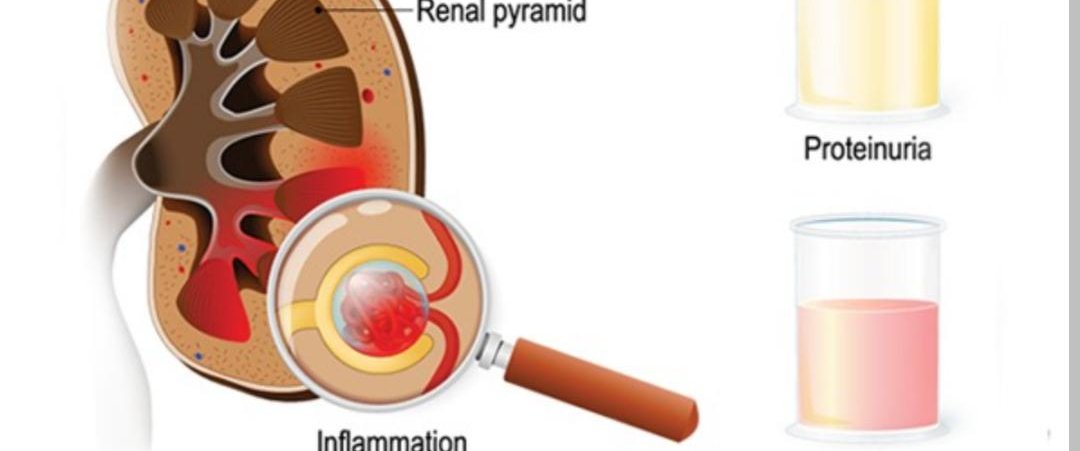
Infection-related glomerulonephritis is a kidney condition that occurs when the glomeruli, the tiny filtering units of the kidneys, become inflamed following an infection. This inflammation interferes with the kidneys’ ability to properly filter blood and remove waste products from the body.
The condition may affect both children and adults and can develop after bacterial, viral, or other infections.
What Causes Infection-Related Glomerulonephritis?
The condition commonly develops after infections such as:
* Streptococcal throat infections
* Skin infections
* Staphylococcal infections
* Viral infections
* Endocarditis
In many cases, the kidney injury occurs because the body’s immune response to infection mistakenly damages the glomeruli.
How Does the Disease Develop?
After an infection, immune complexes may form and become deposited within the kidneys. This triggers inflammation and damages the filtering membranes.
As a result:
* Blood may leak into urine
* Protein may leak into urine
* Kidney function may decline
* Fluid and salt retention may occur
Signs and Symptoms
Patients may present with:
* Blood in urine
* Cola-colored or smoky urine
* Swelling around the eyes
* Swelling of the feet and legs
* Reduced urine output
* High blood pressure
* Fatigue
* Shortness of breath
Some patients may also report recent sore throat or skin infection.
Why Does Swelling Occur?
Damaged kidneys struggle to remove excess fluid and salt from the body. This leads to fluid accumulation in tissues, causing edema.
Swelling is commonly noticed:
* Around the eyes
* In the ankles
* In the legs
Investigations
Diagnosis may involve:
* Urinalysis
* Kidney function tests
* Full blood count
* Serum electrolytes
* ASOT test
* Complement levels
* Kidney ultrasound
Some patients with severe or unclear disease may require a kidney biopsy.
Treatment
Management focuses on treating both the underlying infection and kidney complications.
General Measures
* Salt restriction
* Fluid management
* Blood pressure monitoring
* Monitoring urine output
Medications
Doctors may prescribe:
* Antibiotics when infection is present
* Diuretics for fluid overload
* Antihypertensive medications
In severe cases, hospitalization may be required.
Possible Complications
If not properly managed, infection-related glomerulonephritis may lead to:
* Acute kidney injury
* Severe hypertension
* Pulmonary edema
* Chronic kidney disease
Early diagnosis and treatment improve outcomes significantly.
Prevention
Preventive measures include:
* Early treatment of throat and skin infections
* Good hygiene practices
* Regular medical follow-up for recurrent infections
Conclusion
Infection-related glomerulonephritis is a serious kidney condition that can occur after infections. Symptoms such as blood in urine, swelling, and reduced urine output should never be ignored.
Prompt medical evaluation and early treatment are important in protecting kidney function and preventing complications.