The Hidden Link Between Kidney Disease and Heart Failure
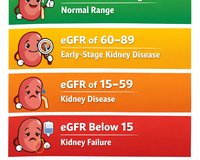
The kidneys help regulate blood pressure, remove excess fluid, and maintain the body’s electrolyte balance. When the kidneys begin to fail, these functions become impaired.
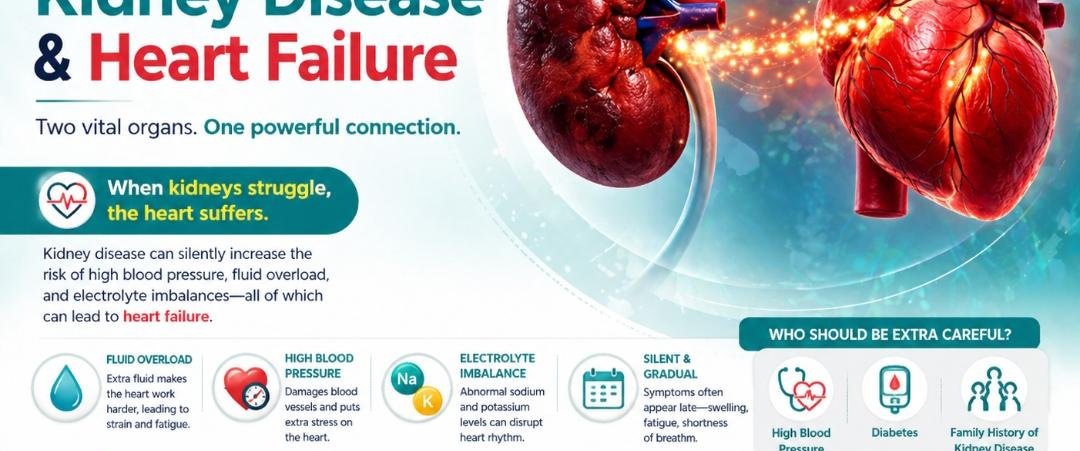
As fluid builds up in the body, the heart must work harder to pump blood effectively. This increased workload can cause the heart muscle to weaken over time, eventually leading to heart failure.
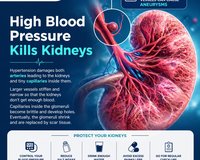
In addition, chronic kidney disease often leads to high blood pressure, which further damages blood vessels and places additional stress on the heart. Imbalances in sodium and potassium levels can also affect the heart’s rhythm, increasing the risk of cardiac complications.
Unfortunately, these changes often develop gradually and without obvious symptoms. By the time signs such as swelling, fatigue, or shortness of breath appear, significant damage may already have occurred.
This is why regular kidney screening is so important especially for individuals with hypertension, diabetes, or a family history of kidney disease. Early diagnosis and management of kidney disease can greatly reduce the risk of cardiovascular complications.
Conclusion
Kidney disease does more than affect the kidneys it can silently place the heart at risk. Recognizing the link between kidney disease and heart failure allows for earlier intervention and better protection of both organs.
At TeleKidney, we believe that early awareness and timely care are key to preventing complications and improving lives.