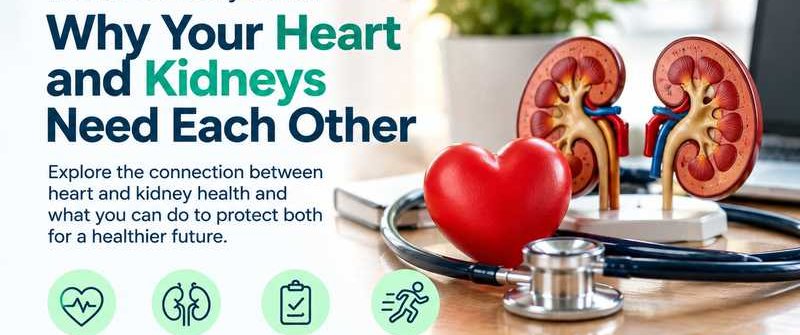
World Heart Day 2026: Why Your Heart and Kidneys Need Each Other
Today, September 29, marks World Heart Day 2026, an opportunity to pay attention to cardiovascular health and the factors that can affect the heart over time. This year, the World Heart Federation’s campaign is “Don’t Miss a Beat,” highlighting the importance of recognizing cardiovascular health risks and taking action. World Heart Federation
For kidney health, there is an important message behind this day: your heart and kidneys are closely connected.
The Heart–Kidney Connection
Your heart pumps blood throughout your body, including to your kidneys. Your kidneys, in turn, help remove waste and excess fluid, regulate electrolytes, and contribute to blood-pressure control.
Because these organs depend on each other, problems affecting one can also affect the other. Kidney disease can increase cardiovascular risk, while cardiovascular disease can contribute to kidney problems. Diabetes and high blood pressure are also important risk factors shared by both conditions. National Kidney Foundation
This interconnected relationship is increasingly recognized as part of cardiovascular-kidney-metabolic (CKM) health, which considers the connections between cardiovascular disease, kidney disease, diabetes, obesity and related metabolic health. The American Heart Association and American College of Cardiology issued their first joint clinical guideline on CKM syndrome in 2026. professional.heart.org
Why Kidney Health Matters for Your Heart
Chronic kidney disease can develop gradually and may not cause obvious symptoms in its early stages. As kidney function declines, complications such as high blood pressure, anemia, fluid retention and electrolyte abnormalities can develop and may place additional strain on the cardiovascular system. National Kidney Foundation
The relationship works both ways. Conditions affecting the heart and circulation can also reduce the kidneys' ability to receive and process an adequate blood supply.
That is why kidney health should not be viewed separately from overall cardiovascular health.
What Can You Do to Protect Both?
There is no single step that protects everyone, but several basic measures can support heart and kidney health:
1. Know your blood pressure
High blood pressure can damage blood vessels in the kidneys while also increasing cardiovascular risk. Regular monitoring can help identify a problem early.
2. Pay attention to diabetes and blood sugar
Diabetes is an important risk factor for both kidney and cardiovascular disease. If you have diabetes, following your healthcare team's recommendations for monitoring and treatment is an important part of protecting your organs.
3. Know your kidney numbers
Depending on your health history and risk factors, your healthcare provider may recommend kidney testing such as eGFR, a blood-based estimate of kidney filtration, and urine albumin-to-creatinine ratio (uACR), which can help identify kidney damage. American Heart Association
4. Stay physically active
Regular physical activity is part of maintaining cardiovascular health. The World Heart Federation's 2026 campaign encourages people to incorporate movement into their daily lives. If you have kidney disease, heart disease, or other health conditions, discuss an appropriate level of activity with your healthcare team. World Heart Federation
5. Choose heart and kidney-conscious habits
A balanced eating pattern, appropriate sodium intake, avoiding tobacco, maintaining a healthy weight, and taking prescribed medications as directed can all contribute to better management of cardiovascular and kidney risk factors.
When Should You Talk to a Kidney Specialist?
Consider discussing kidney health with a healthcare professional if you have risk factors such as:
- High blood pressure
- Diabetes
- A history of heart disease
- A family history of kidney disease
- Abnormal kidney-function or urine-test results
- Persistent swelling or changes in urination
Early evaluation can help identify kidney problems and provide an opportunity to address related cardiovascular and metabolic risk factors.
Kidney Care From the Comfort of Home
For people who need kidney guidance but find traditional appointments difficult to access, virtual care can provide another way to connect with specialists.
TeleKidney provides virtual kidney consultations and ongoing support, allowing patients to connect with kidney specialists from the comfort of home.
This World Heart Day, remember: caring for your heart also means paying attention to your kidneys.
Understanding your numbers, managing risk factors and staying connected with your healthcare team can help you take a more informed approach to your long-term health.
Healthy kidneys. Better life.
TeleKidney
📞 567-525-3163
🌐 www.telekidney.com/contact/