Understanding Goodpasture Syndrome: When the Immune System Attacks the Kidneys and Lungs
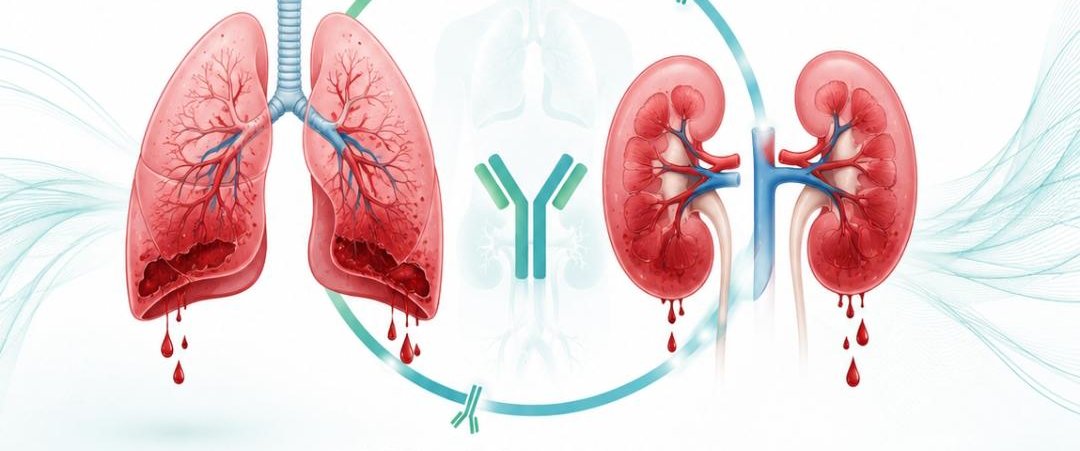
Goodpasture syndrome is a rare but serious autoimmune disease that primarily affects the kidneys and lungs. In this condition, the body's immune system mistakenly produces antibodies that attack the basement membranes found in these organs, leading to inflammation and tissue damage. Without prompt diagnosis and treatment, Goodpasture syndrome can rapidly progress to kidney failure and life-threatening lung bleeding.
Although uncommon, Goodpasture syndrome is considered a medical emergency. Early recognition and treatment are essential to preserve kidney function, protect the lungs, and improve long-term outcomes.
What is Goodpasture Syndrome?
Goodpasture syndrome, also known as anti-glomerular basement membrane (anti-GBM) disease, is an autoimmune disorder in which the immune system produces antibodies against collagen found in the basement membranes of the kidneys and lungs.
In the kidneys, these antibodies attack the glomeruli the tiny filtering units responsible for removing waste and excess fluid from the blood. This results in rapidly progressive glomerulonephritis, causing a rapid decline in kidney function.
In the lungs, the same antibodies damage the tiny air sacs (alveoli), leading to bleeding into the lungs, a condition known as pulmonary hemorrhage.
What Causes Goodpasture Syndrome?
The exact cause of Goodpasture syndrome is not fully understood. It is believed to develop when genetic susceptibility combines with environmental triggers that stimulate an abnormal immune response.
Possible triggers include:
* Cigarette smoking
* Respiratory infections
* Exposure to hydrocarbon solvents
* Certain environmental toxins
* Cocaine inhalation
* Other factors that injure the lung tissue
Not everyone exposed to these factors develops the disease, suggesting that inherited genetic factors also play a role.
Signs and Symptoms
Symptoms may develop suddenly and worsen over days or weeks.
Kidney-related symptoms include:
* Blood in the urine (hematuria)
* Protein in the urine
* Swelling of the legs, ankles, or face
* High blood pressure
* Reduced urine output
* Fatigue caused by worsening kidney function
Lung-related symptoms include:
* Coughing up blood (hemoptysis)
* Shortness of breath
* Chest discomfort
* Persistent cough
Some patients may also experience fever, weight loss, weakness, and general malaise.
How is Goodpasture Syndrome Diagnosed?
Early diagnosis is crucial because kidney damage can become irreversible within a short period.
Investigations may include:
* Blood tests to assess kidney function
* Urinalysis to detect blood and protein
* Anti-GBM antibody testing
* Chest X-ray or CT scan to evaluate lung involvement
* Kidney biopsy, which confirms the diagnosis by demonstrating characteristic antibody deposition along the glomerular basement membrane
Treatment
Goodpasture syndrome requires urgent treatment to stop the immune system from causing further damage.
Treatment commonly includes:
* Plasma exchange (plasmapheresis) to remove harmful antibodies from the bloodstream
* High-dose corticosteroids to reduce inflammation
* Immunosuppressive medications, such as cyclophosphamide, to prevent the production of new antibodies
Patients with severe kidney failure may require temporary or permanent dialysis. In individuals who progress to end-stage kidney disease, kidney transplantation may be considered after anti-GBM antibodies are no longer detectable.
Can Goodpasture Syndrome Be Prevented?
There is no known way to prevent Goodpasture syndrome because the underlying autoimmune process is not fully understood. However, avoiding cigarette smoking and limiting exposure to harmful environmental chemicals may reduce the risk of triggering the disease in susceptible individuals.
People who develop unexplained blood in the urine, coughing up blood, or rapidly worsening kidney function should seek immediate medical attention, as early treatment greatly improves outcomes.
Conclusion
Goodpasture syndrome is a rare autoimmune disease that can rapidly damage both the kidneys and lungs. Because the disease progresses quickly, early recognition, prompt diagnosis, and aggressive treatment are critical to preventing permanent kidney failure and life-threatening pulmonary complications.
Awareness of the warning signs particularly blood in the urine, coughing up blood, and rapidly declining kidney function can lead to earlier diagnosis and better outcomes. With timely treatment, many patients can achieve disease remission and preserve their quality of life.