Understanding eGFR: What Your Kidney Function Number Means
Your kidneys work continuously to remove waste and extra fluid from your blood, maintain electrolyte balance and help regulate blood pressure. Because kidney disease can develop gradually, monitoring kidney function is an important part of protecting your long-term health.
One of the most common tests used to assess kidney function is the estimated Glomerular Filtration Rate (eGFR).
Understanding your eGFR result can help you and your healthcare provider identify changes in kidney function, monitor kidney health, and make informed decisions about your care.
What Is eGFR?
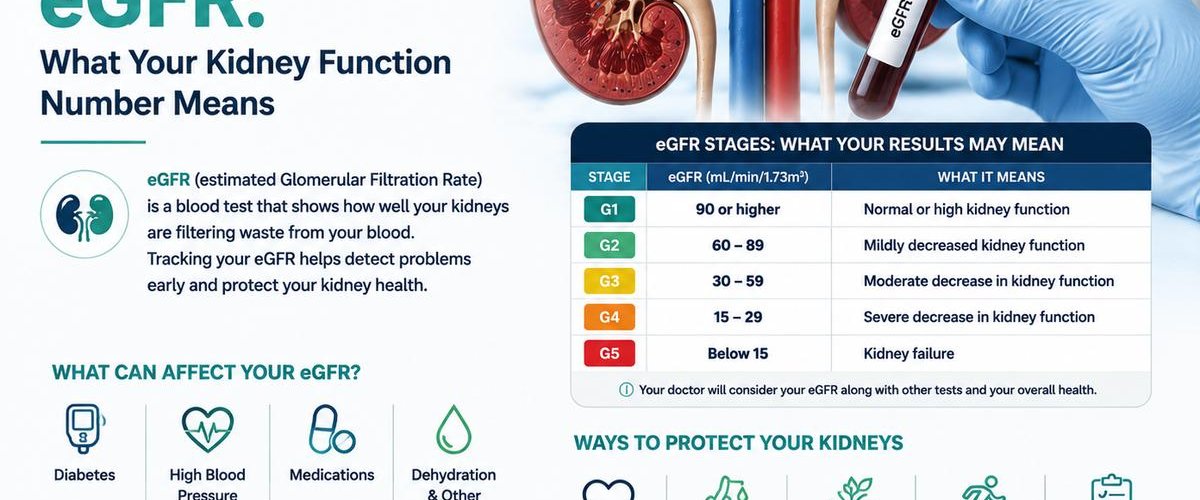
The estimated Glomerular Filtration Rate (eGFR) is a calculation that estimates how well your kidneys are filtering waste from your blood.
The test is usually calculated using your blood creatinine level along with factors such as age and sex. Creatinine is a waste product produced by muscles that is normally filtered out by the kidneys.
When kidney function decreases, creatinine levels may rise, resulting in a lower eGFR.
Why Is eGFR Important?
The eGFR is an important tool for:
- Detecting possible kidney problems early
- Monitoring changes in kidney function over time
- Assessing the severity of chronic kidney disease
- Helping healthcare providers create personalized treatment plans
A single eGFR result does not always provide the full picture. Healthcare providers often consider eGFR together with other information, including urine tests, medical history, blood pressure, and existing health conditions.
Understanding eGFR Levels
eGFR values are generally grouped into stages:
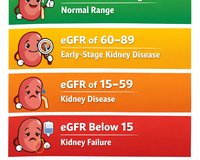
G1: Normal or High Kidney Function
An eGFR of 90 or higher may indicate normal kidney function. However, other signs of kidney damage, such as protein in the urine, may still require evaluation.
G2: Mildly Decreased Function
An eGFR between 60 and 89 may indicate mildly reduced kidney function. Your healthcare provider may monitor your results and assess for other signs of kidney disease.
G3: Moderate Decrease in Function
An eGFR between 30 and 59 indicates a moderate reduction in kidney function and usually requires closer monitoring.
G4: Severe Decrease in Function
An eGFR between 15 and 29 indicates significantly reduced kidney function and requires specialist management.
G5: Kidney Failure
An eGFR below 15 may indicate kidney failure, where advanced treatment options such as dialysis or transplantation may be considered.
What Can Affect Your eGFR?
Several factors can influence kidney function and eGFR results, including:
- Diabetes
- High blood pressure
- Age-related changes
- Kidney inflammation or disease
- Dehydration
- Certain medications
- Heart and blood vessel conditions
This is why healthcare providers look at trends over time rather than relying on a single test result.
Who Should Monitor Their eGFR?
Regular kidney function monitoring is especially important for people with:
- Diabetes
- High blood pressure
- Heart disease
- A family history of kidney disease
- Previous kidney problems
- Chronic kidney disease
- Conditions requiring medications that may affect kidney function
Early monitoring allows changes to be identified before kidney problems become more advanced.
How Can You Protect Your Kidney Function?
There are several steps that can help support kidney health:
Control Blood Pressure
High blood pressure can damage kidney blood vessels and accelerate kidney disease progression.
Manage Diabetes
Keeping blood sugar levels under control can help reduce the risk of kidney damage.
Follow Your Treatment Plan
Taking medications as prescribed and attending regular appointments helps protect kidney function.
Maintain Healthy Lifestyle Habits
Helpful habits include:
- Eating a balanced diet
- Staying physically active as recommended
- Avoiding tobacco
- Limiting excessive salt intake
- Maintaining a healthy weight
The Role of Virtual Kidney Care
Understanding kidney test results can sometimes feel overwhelming. Virtual nephrology services make it easier for patients to connect with kidney specialists, discuss results, ask questions, and receive personalized guidance from the comfort of home.
TeleKidney provides convenient access to nephrology care through virtual consultations, helping patients better understand their kidney health and stay connected with experienced kidney specialists.
Conclusion
Your eGFR is more than just a number — it provides valuable information about how well your kidneys are working.
Regular monitoring, early detection, and personalized care can help slow kidney disease progression and support better long-term outcomes.
If you have questions about your kidney function or recent test results, TeleKidney can help you connect with kidney specialists through convenient virtual care.
Schedule your virtual kidney consultation today:
https://telekidney.com/contact/
TeleKidney — Your Partner in Kidney Health.