Hepatorenal Syndrome: When Liver Disease Leads to Kidney Failure
Introduction
Hepatorenal syndrome (HRS) is a serious complication of advanced liver disease in which the kidneys gradually lose their ability to function despite being structurally normal. It most commonly occurs in people with cirrhosis and ascites and requires urgent medical attention because it carries a high risk of death if left untreated.
What is Hepatorenal Syndrome?
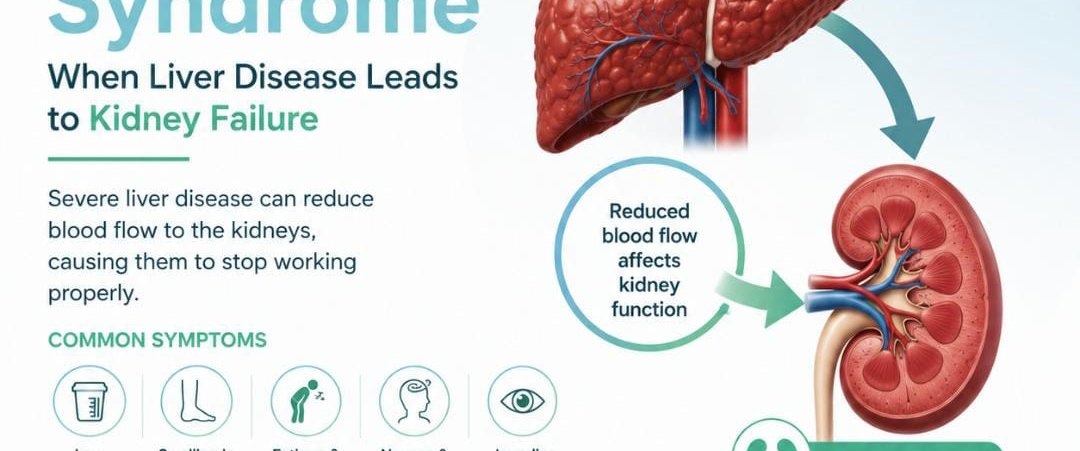
Hepatorenal syndrome is a type of kidney failure that develops as a result of severe liver disease. The kidneys themselves are not damaged; instead, changes in blood circulation caused by liver failure reduce blood flow to the kidneys, impairing their ability to filter waste and maintain fluid balance.
What Causes Hepatorenal Syndrome?
HRS usually develops in people with advanced cirrhosis. Common triggers include:
* Spontaneous bacterial peritonitis (SBP)
* Gastrointestinal bleeding
* Severe dehydration
* Large-volume paracentesis without adequate albumin replacement
* Severe infections
* Progressive liver failure
Signs and Symptoms
Patients may experience:
* Reduced urine output
* Swelling of the legs and abdomen
* Fatigue and weakness
* Nausea
* Confusion due to hepatic encephalopathy
* Jaundice (yellowing of the skin and eyes)
* Low blood pressure
How is it Diagnosed?
Diagnosis is based on clinical assessment and laboratory findings after excluding other causes of acute kidney injury. Tests may include:
* Serum creatinine and kidney function tests
* Liver function tests
* Urinalysis
* Electrolyte measurements
* Abdominal ultrasound to exclude urinary obstruction
Treatment
Management focuses on improving kidney perfusion and treating the underlying liver disease. Treatment options include:
* Intravenous albumin
* Vasoconstrictor therapy (such as terlipressin, where available, or norepinephrine in appropriate settings)
* Treating infections and correcting dehydration
* Avoiding nephrotoxic medications
* Liver transplantation, which is the definitive treatment for eligible patients
Can It Be Prevented?
The risk of HRS can be reduced by:
* Early treatment of liver disease
* Prompt management of infections
* Avoiding unnecessary NSAIDs and other nephrotoxic drugs
* Appropriate albumin administration after large-volume paracentesis
* Regular follow-up for patients with cirrhosis
Conclusion
Hepatorenal syndrome is a life-threatening complication of advanced liver disease that can rapidly lead to kidney failure. Early recognition, timely treatment, and referral to specialist care are essential. Preventing complications of cirrhosis and considering liver transplantation when appropriate offer the best chance for improved outcomes.