Genetic Testing in Cystic Kidney Disease
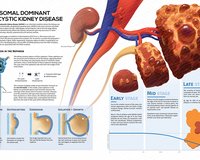
Genomic investigation is playing an increasing role in the management of cystic kidney diseases, reflecting a broader shift towards precision medicine in Nephrology. Recent updates to the KDIGO Clinical Practice Guideline emphasize diagnostic genomics as a core component of Autosomal Dominant Polycystic Kidney Disease (ADPKD) care in particular, recognizing its utility across a range of clinical scenarios. Traditionally, diagnosis of ADPKD has been clinical, using age-dependent imaging criteria for at risk individuals via ultrasound and Magnetic Resonance Imaging (MRI). While these imaging modalities have good sensitivity, there are pitfalls in clinical diagnosis, particularly in patients with atypical clinical features, those without family history or those at a young age. A confirmed genetic diagnosis can guide screening of at-risk family members, inform reproductive decisions, support safe selection of living-related kidney donors and provide the opportunity to utilize genotype-specific prognostication tools. In addition, as genotype-specific therapies enter the landscape, accurate genotyping will become essential for identifying which patients will benefit from treatment. This narrative review aims to provide a practical approach for the general Nephrologist of when to offer genetic testing to patients with cystic kidney disease and outline the technical and genetic counselling considerations in the provision of patient-centered genetic investigation.